Books

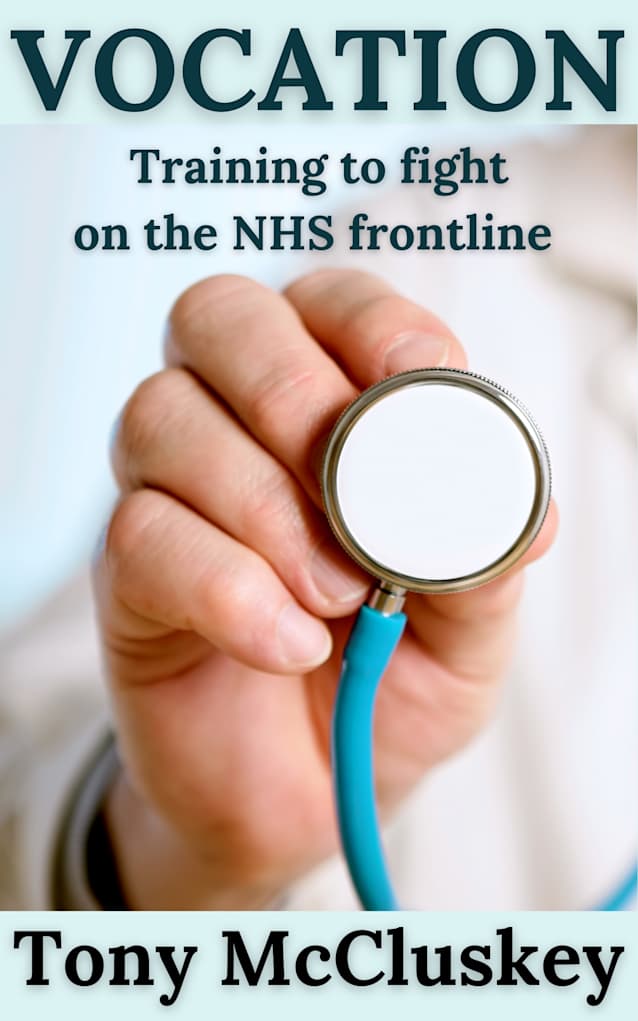
VOCATION

Training to fight on the NHS frontline

Tony plans to save the world one patient at a time, but first, he has to survive the training.

Tony McCluskey is brimming with youthful vigour and enthusiasm at the start of a six-year training programme to fight death and disease on the NHS frontline. Even though his first patient is already dead, there's a lot Tony can learn from somebody with...

Read more

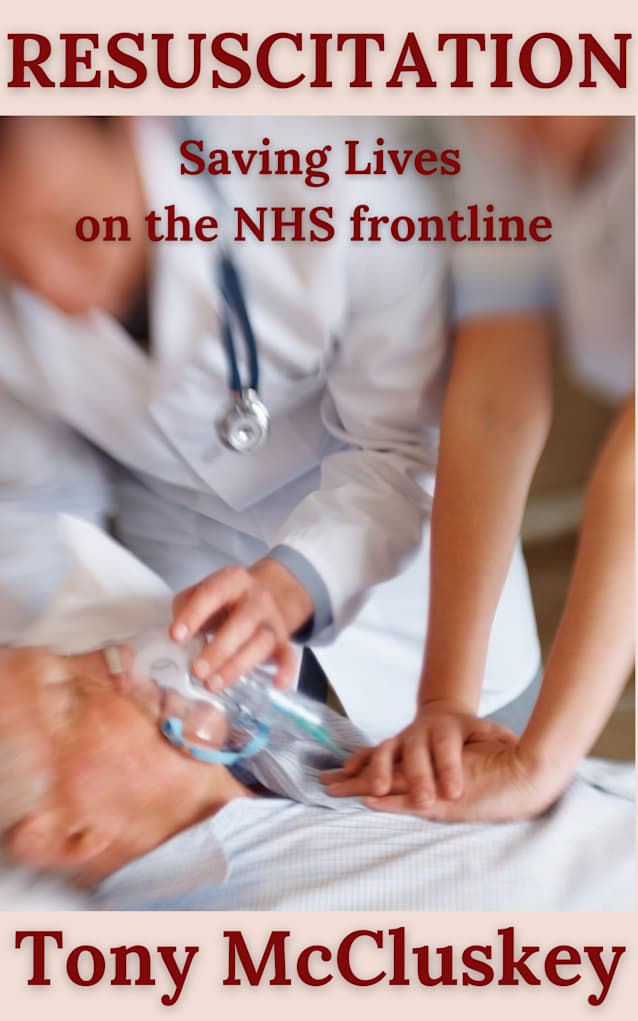
RESUSCITATION

Saving Lives on the NHS frontline

Getting your patients under is an art. Bringing them back safely again is a bloody miracle.

Tony sets out on his career as an anaesthetist and soon discovers that getting his patients off to sleep and keeping them asleep until their operations are over is easier said than done. Waking them up safely afterwards with no ill effects is even harder....

Read more

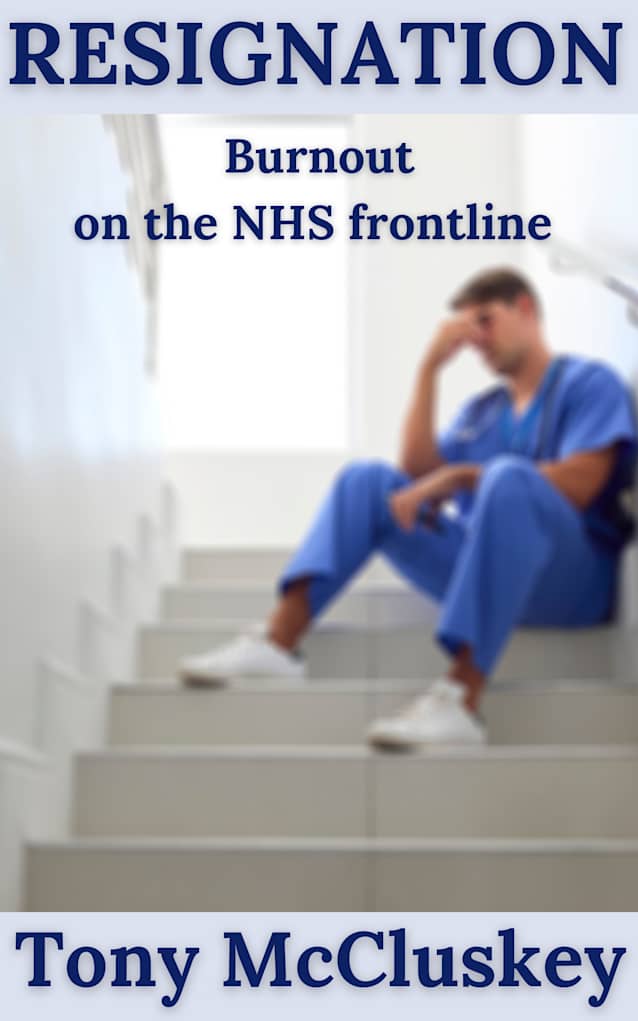
RESIGNATION

Burnout on the NHS frontline

“The buck stops here” isn’t just a metaphor for an NHS consultant – it’s a cardiac monitor flatlining and you're the person who will have to tell his wife.

After years serving in the trenches on the NHS frontline, Tony has been transferred to staff headquarters as a consultant anaesthetist with a special interest in the care of critically ill...

Read more

Blog

Doctors, Nurses, Patients, Hearses How can someone with a beating heart be

How can someone with a beating heart be dead?

A beating heart has been the prime indicator of the presence of life for thousands of years. A beating heart means life. Its absence means death. Modern medicine forces us to accept that this rule is both simplistic and wrong. A person can be dead while their heart continues to beat in their chest. On the other hand, a person can be very much alive even though their heart has stopped. A person can be alive even if they don’t currently have a heart....

Doctors, Nurses, Patients, Hearses Medical terminologyTwo of the commonest

Medical terminology

Two of the commonest complaints about doctors are that they write in an indecipherable scrawl and they don’t speak plain English. You emerge from an appointment with your GP or hospital consultant, clutching a clinical case summary that seems to have been written by randomly inserting incomprehensible ancient Greek and Latin words throughout the text (I’m assuming here that it was a printed document and not handwritten, in which case you wouldn’t have been able to read it...

Doctors, Nurses, Patients, Hearses The anatomy of a hospital (Part

The anatomy of a hospital (Part 2)

Mortuary

Every doctor is used to seeing dead bodies on a regular basis. As one of the group of ICU consultants, I was a particularly frequent visitor to the hospital mortuary. However, I saw my first dead body at the very beginning of my training on day one of week one in the Dissecting Room (DR) at medical school. Actually, I saw twenty dead bodies that day, one for each tutorial group, all lined up in neat rows lying on top of metal trolleys. It was the...

View All